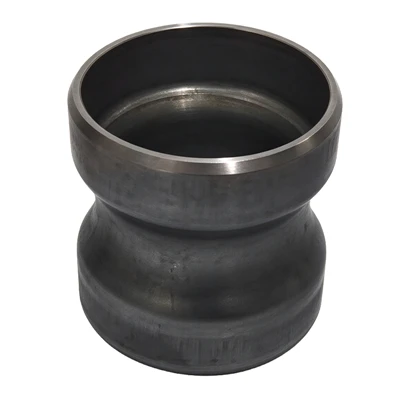

Material: Bushings made from different materials offer varying levels of wear resistance, temperature resistance, and elasticity. For instance, polyurethane bushings provide excellent wear resistance but have lower elasticity, whereas rubber bushings offer good elasticity but slightly inferior wear resistance.
Dimensions: The bushing dimensions must match the stabilizer bar and connecting components to ensure secure installation and proper functionality.
Temperature Resistance: For bushings operating in high-temperature environments, heat-resistant materials such as PTFE should be selected.
Installation Method: Bushings must be installed in strict accordance with the vehicle manufacturer's specifications to prevent functional failure or damage caused by improper installation.
Maintenance of stabilizer bar bushings is also crucial; regular inspection for wear and timely replacement can prevent suspension system performance degradation or safety hazards resulting from bushing aging.
Ensure the vehicle model and year are precise: Bushings are specific to the vehicle model and sway bar diameter; parts for different model years are often incompatible. Provide your VIN or the exact model year when purchasing-do not simply state a generic model name like "Toyota Camry."
Determining when to replace: Symptoms such as a clunking noise when driving over speed bumps or rough roads, a loose or unstable chassis feel, a lack of stability when cornering, or abnormal tire wear on one side usually indicate that the bushings have aged, cracked, or hardened.