



If you’ve ever felt a jolt every time your car hits a pothole, a creak when you turn the wheel at a stop, or noticed uneven tire wear on the front of your vehicle, there’s a good chance your front shock absorber mount is to blame. As a supplier of front shock absorber mounts, I’ve spent years talking to drivers and mechanics who brush off small, odd noises as “just part of driving”—but when it comes to a bad front shock mount, that casual attitude can lead to real safety risks, not to mention costly repairs down the line. Today, I want to break down why driving with a faulty front shock absorber mount isn’t just a minor annoyance, when it’s safe (and when it’s not) to get behind the wheel, and what you need to do to keep yourself on the road safely.
First, let’s get clear on what a front shock absorber mount actually does, because too many drivers confuse it with a shock absorber itself. The shock absorber is the part that controls how much your car bounces over bumps, but the mount is the critical connection point that links the shock to your vehicle’s chassis, strut assembly, and in some cases, the steering knuckle. It’s a small but heavily loaded component—every time your car moves, whether you’re accelerating, braking, turning, or hitting a road imperfection, the mount absorbs that torque, vibration, and impact to keep the shock aligned correctly. A front shock absorber mount does double duty, too: it also provides a cushion between the metal of the shock and the metal of your car, so you don’t feel every little vibration through the steering wheel or floor.
When that mount goes bad, it’s not just a loose part—it’s a failure in the system that’s designed to keep your suspension coordinated. Let’s talk about how that failure happens. Over time, the rubber bushings inside the mount (which act as the shock absorber’s main cushion) wear down from heat, constant use, and exposure to road salt, dirt, and moisture. The metal bolts that secure the mount to the chassis can also loosen from repeated vibration, or rust and snap if they’re not regularly inspected. Even debris hitting the mount while you’re driving can cause tiny cracks that grow over time, turning a small issue into a dangerous one.
Now, the big question: Can you drive with a bad front shock absorber mount? The short answer is, it depends on how severe the damage is. If you’re noticing a faint creak when you turn the wheel or a slight vibration that only shows up at highway speeds, you might be able to drive short distances to a mechanic—but only if you’re extra careful. If you’re dealing with loud clunks over every bump, uneven tire wear, or a steering wheel that pulls to one side when you’re driving straight, that’s a sign the damage is advanced, and driving is not worth the risk. I’ve seen too many drivers push through that last repair, only to end up in a collision because their front wheels went out of alignment suddenly, or a loose mount caused the shock to detach mid-drive.
Let’s break down the specific risks you face when driving with a bad front shock absorber mount. First, there’s the suspension alignment. The mount is what keeps your shock and strut in the exact right position, so if it’s worn or broken, those components can shift. A misaligned suspension doesn’t just make your car ride rough—it causes your tires to wear unevenly, meaning you’ll have to replace them months or even years earlier than you should. Worse, a misaligned front end can make it harder to steer, especially in wet or icy conditions, when every bit of control matters. I’ve had customers come to us because their worn mounts caused their front tires to wear so unevenly that they got a flat on the highway—something that would have been entirely preventable with a timely mount replacement.
Then there’s the impact on other suspension parts. A bad front shock absorber mount puts extra stress on every connected component: the shock absorber itself, the strut, the steering linkage, and even the wheel bearings. If you ignore a faulty mount, you’ll end up having to replace those parts too, which is way more expensive than just swapping out the mount. For example, if a mount’s rubber bushing crumbles, the shock can move around and damage the strut seal, leading to fluid leaks and a dead shock—something that would have cost a few hundred dollars to fix becomes a $1,000+ repair when the shock has to be replaced too. This is one reason why our customers often come to us for high-quality replacement mounts, whether they’re looking for a standard front shock absorber mount for their daily driver or a heavy-duty shock absorber mount for a work truck that puts extra strain on its suspension.
Another risk is braking performance. When you hit the brakes, your car’s weight shifts forward, putting even more pressure on the front suspension. If the mount is bad, it can’t handle that extra load, which means your front wheels might not stay firmly planted on the road. This increases your stopping distance drastically, and can make your car swerve when you brake hard—especially if you’re driving at high speeds or in heavy traffic. I always tell customers: your brakes are your first line of defense, and if a bad mount is messing with their performance, you’re not in control of your car the way you need to be.
But wait—what if your car is only making a small noise, and it doesn’t feel that bad to drive? How do you know when it’s safe to keep going, and when you need to pull over? Here’s what I recommend as a suspension component supplier: monitor the warning signs closely. If you only notice a faint creak when you turn the wheel while parked, and driving at 30 mph feels normal, that’s one thing. But if that creak turns into a clunk when you hit a pothole at 20 mph, or your steering wheel shakes so badly you can barely hold it, that’s a sign the mount is near failure. Also, pay attention to your tire pressure and tread—if you check them regularly and notice the front tires are wearing on the inner edge, that’s a clear sign your suspension is misaligned because of a bad mount, and you shouldn’t wait to get it fixed.
It’s also important to note that front shock mounts aren’t the only component in your suspension that can wear out, and sometimes similar symptoms come from other parts. For example, if your car is bouncing more than usual over bumps, you might think it’s the shock absorber, but it could be a worn mount. If you hear creaks when turning, it could be a sway bar bushing or even a rear shock mount—though rear issues won’t affect your steering the way front ones do. To make sure you’re diagnosing the problem right, it’s always best to have a mechanic inspect your suspension, but if you’re handy with car repairs, you can do a quick at-home check: pop the hood, have someone turn the wheel back and forth while you watch the front mounts. If you see any movement in the mount that doesn’t line up with the wheel’s motion, that’s a clear sign it’s bad.
When you do need to replace your front shock absorber mount, not all mounts are created equal. A lot of drivers try to buy cheap aftermarket mounts to save money, but as someone who’s worked with these parts for years, I can tell you that cheap mounts wear out faster, and don’t handle the load of your vehicle the way they should. For work trucks, SUVs, or vehicles that carry heavy loads, a heavy-duty shock absorber mount is a much better investment—it’s built with thicker metal and more durable rubber bushings to handle extra stress, so you won’t have to replace it every year. For applications that need specific performance, you might even look at parts like the bump stop on car to complement your new mount, since those work together to absorb impact and reduce strain on the suspension.

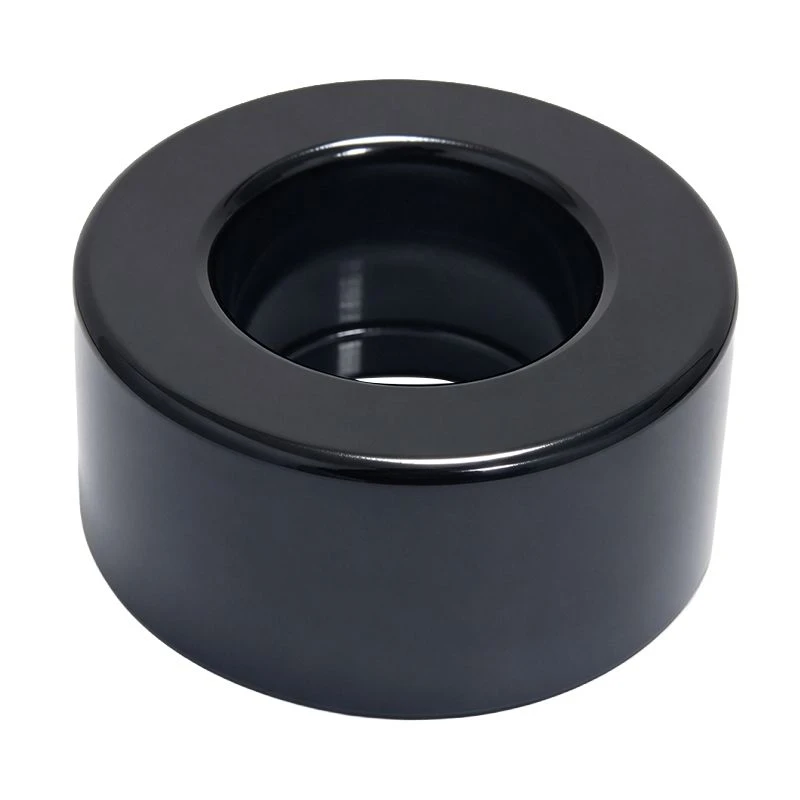
Another related component that’s often overlooked is the bottom strut mount, which connects the bottom of the strut to the chassis. While it’s not the same as a front shock absorber mount, a worn bottom strut mount can cause similar symptoms: clunking over bumps, uneven tire wear, and steering instability. That’s why when you replace your front mount, it’s a good idea to have the entire front suspension inspected, including the bottom strut mount, to catch any other issues before they become serious.
So, to circle back to the original question: Can you drive with a bad front shock absorber mount? The answer is, if the damage is minor and you only need to drive a short distance to a mechanic, that’s manageable—but it’s never safe to drive long distances, or push through advanced symptoms like clunking, steering pull, or uneven tire wear. The risks to your safety and your wallet are just too high. A small investment in a high-quality front shock absorber mount can save you from way bigger repairs down the line, and keep you in control of your car no matter what the road throws at you.
If you’re noticing any of the signs I mentioned, or you’re just ready to replace worn suspension components, we offer a range of high-quality shock absorber mounts for all vehicle types. Whether you need a standard front shock absorber mount for your sedan, a heavy-duty shock absorber mount for your work truck, or even a rear shock mount for your rear suspension, we’ve got parts built to last and perform when you need them most. Our team can help you find the right mount for your vehicle, and answer any questions you have about installation, compatibility, or maintenance. Don’t wait until a small issue turns into a dangerous one—reach out to discuss your suspension needs today.
References
- Automotive Suspension Systems: Design, Function, and Failure Analysis. Society of Automotive Engineers, 2021.
- National Highway Traffic Safety Administration (NHTSA). "Suspension Component Failure and Road Safety." NHTSA Technical Bulletin, 2022.
- Rubber Components in Automotive Suspension: Wear Mechanisms and Replacement Guidelines. Journal of Automotive Engineering, Vol. 235, No. 12, 2021.
- "Understanding Front Suspension Alignment Issues." Car and Driver Maintenance Guide, 2023.


