



If you’ve ever worked on a car’s suspension, especially when repairing or upgrading parts, you’ve probably stared at a set of subframe bushings after pulling them out of the vehicle and wondered: “Can I really reuse these, or do I need to buy new ones?” As a subframe bushing supplier who’s talked to hundreds of mechanics, DIY enthusiasts, and even small repair shops over the years, I get this question all the time. It’s not a trivial one—subframe bushings are the unsung heroes of your vehicle’s handling, absorbing road vibrations and keeping the subframe (and the rest of your chassis) aligned correctly. Reusing them might save time and a little money, but it’s a choice that comes with real risks, and it’s not always the right call. Let’s break this down, so you can make an informed decision that keeps your car safe and performing as it should.
First, let’s set a quick foundation for anyone who might not know exactly what a subframe bushing does. The subframe is a rigid metal component that holds important parts like the engine, transmission, and rear differential to the vehicle’s unibody or frame. Bushings are the rubber (or sometimes polyurethane, but mostly rubber for stock applications) rings that sit between the subframe and the chassis bolts. They create a flexible connection that isolates noise, vibration, and harshness (NVH) from the cabin, while still maintaining enough rigidity to keep the subframe in the correct position during hard acceleration, cornering, and braking. Without good bushings, your car would feel rough over bumps, wander at highway speeds, and even wear out other suspension parts faster.
Now, when do people even remove subframe bushings? Common scenarios include replacing worn control arms, repairing a bent subframe after a collision, upgrading to performance parts like higher-rate springs, or just doing a full suspension rebuild. In many of these cases, mechanics and DIYers will pop the old bushings out with a press or a special tool, and immediately think, “These look fine—can I just put them back?” The short answer is: It depends on a few key factors.
The biggest factor is the condition of the bushing itself. Subframe bushings are under constant load, even when you’re driving straight. Every time you hit a pothole, accelerate hard, or turn a corner, the rubber compresses and stretches. Over time, that constant movement causes the rubber to degrade: it can crack, tear, harden (called “compression set”), or lose its ability to spring back into shape. If you take a bushing that’s already cracked or hardened and reuse it, you’re basically re-installing a worn, damaged component that can’t do its job anymore. We’ve seen this firsthand in our warehouse—customers send back old bushings they tried to reuse, and half the time they’re split along the outer edge or rock-hard to the touch, like a frozen rubber eraser. That’s not a bushing that will hold up to another season of driving.
Another thing to consider is how you removed the bushing. There’s a right way and a wrong way to press out a subframe bushing, and even a small mistake during removal can damage it beyond reuse. For example, if you use a metal tool to pry the bushing out instead of a press, you might nick the rubber or distort the inner metal sleeve. That nick will turn into a tear the next time the bushing is under load, which can cause the subframe to shift out of alignment. Even with a press, if you don’t support the bushing evenly, you can bend the metal sleeve, which makes it impossible to align the bolts correctly when you reinstall. We always recommend following a proper removal guide, especially for precision parts like our custom-fit Hydraulic Subframe Bushing or Double Layer Subframe Bushing, which have more complex designs to handle higher performance loads.
Wait, but what if the bushing looks and feels good? If it’s not cracked, it’s still flexible, and there’s no visible wear—can you reuse it then? Maybe, but with a big caveat. Even if it looks fine, rubber bushings have a shelf life. Most manufacturers recommend replacing them every 100,000 miles, even if they don’t show obvious damage. That’s because rubber oxidizes over time, even when it’s not under constant use. Sunlight, heat, and chemicals like road salt can break down the rubber internally, leading to hidden weaknesses. A bushing that’s only 5 years old might look good on the outside, but its internal structure could be compromised. Reusing that could lead to a sudden failure on the highway, which is obviously a safety risk.
There’s also the issue of alignment. Subframe bushings are calibrated for a specific vehicle’s alignment specs. When you remove and reinstall a bushing, even if it’s the same one, you might not be able to get the subframe back to exactly the same position. That’s because the bushing’s shape might have changed slightly during removal, or the metal sleeves might have shifted. This can lead to misalignment, which causes uneven tire wear, poor handling, and even damage to other suspension parts like ball joints or tie rods. For front-wheel-drive cars, this is especially important—bad alignment from reused front subframe bushings can make your car pull to one side, making it dangerous to drive on busy roads. If you’re working on a front subframe, we always suggest checking out our Front Subframe Bushing line, which are precision-machined to fit exact OEM specs, to avoid alignment issues down the line.
What about heavy-duty vehicles? If you’ve got a truck or SUV that’s used for towing or off-roading, subframe bushings take even more abuse. A Heavy Duty Subframe Bushing is built to handle higher loads, but even these aren’t designed to be removed and reused repeatedly. The constant compression from towing heavy trailers or crawling over rocks will wear out the rubber faster, so reusing an old one in a heavy-duty vehicle is a recipe for disaster. We’ve had customers who tried to reuse bushings on their work trucks and ended up with a subframe that shifted ¼ inch during a tow, causing the transmission to get misaligned and leading to a $2,000 repair bill. That’s a lot more than the cost of a new set of bushings.
I want to be clear here—this isn’t just about upselling new parts. We’ve seen too many cases where people tried to save $50 by reusing old bushings and ended up paying way more in repairs or, worse, risking their safety. There are a few rare cases where reusing a bushing is acceptable, but they’re very specific. For example, if you’re doing a temporary fix on a car you’re planning to sell within a few months, and the bushing is in perfect condition with no cracks or hardening. Or if you’re working on a classic car that’s been stored in a garage for 20 years, and the bushings are still flexible and look brand new (though even then, I’d recommend inspecting them closely for oxidation). But even in those cases, it’s a gamble.
Another thing to consider is the type of bushing. Polyurethane bushings are a common upgrade for performance enthusiasts, and they’re more durable than rubber. But even polyurethane bushings can lose their flexibility over time, and they’re more prone to cracking if they’re forced during removal. So even polyurethane bushings are generally not recommended for reuse.
Let’s talk about what happens if you do reuse a bushing that’s worn out. The most common symptoms are increased NVH—you’ll hear more road noise and feel more vibration in the cabin. But worse, you might notice that your car handles poorly: it might wander at highway speeds, feel loose when turning, or take longer to stop. In extreme cases, a worn bushing can cause the subframe to shift so much that it contacts other parts of the vehicle, like the exhaust system, leading to damage. We had a customer last year who tried to reuse rear subframe bushings on his sedan, and the worn bushing caused the subframe to shift, which made the exhaust hit the floor pan and create a loud rattling noise that he couldn’t figure out until he brought it to our shop.
So, what should you do if you’re removing subframe bushings? The best practice is to replace them with new ones, period. But if you’re set on reusing one, there are some steps you can take to minimize the risk. First, inspect the bushing carefully: look for cracks, tears, or signs of hardening (squeeze it—if it doesn’t bounce back quickly, it’s hard). Second, check the metal sleeves to make sure they’re not bent or damaged. Third, measure the outer diameter of the bushing to make sure it’s the same as the OEM spec—if it’s stretched, it won’t fit correctly. Fourth, after reinstalling, get a wheel alignment immediately to make sure the subframe is in the correct position. Even with all that, there’s still a chance it won’t work, but these steps can help reduce the risk.
For anyone in the market for new subframe bushings, we’ve got a range of options to fit every vehicle and use case. Our Rear Subframe Bushing line is designed for rear-wheel-drive and all-wheel-drive vehicles, built to handle the load of the rear differential. Our Heavy Duty Subframe Bushing line is made for trucks and SUVs that need extra strength for towing and off-roading. No matter what your vehicle is, we’ve got a bushing that’s precision-fit to OEM specs, so you don’t have to worry about alignment or performance issues.

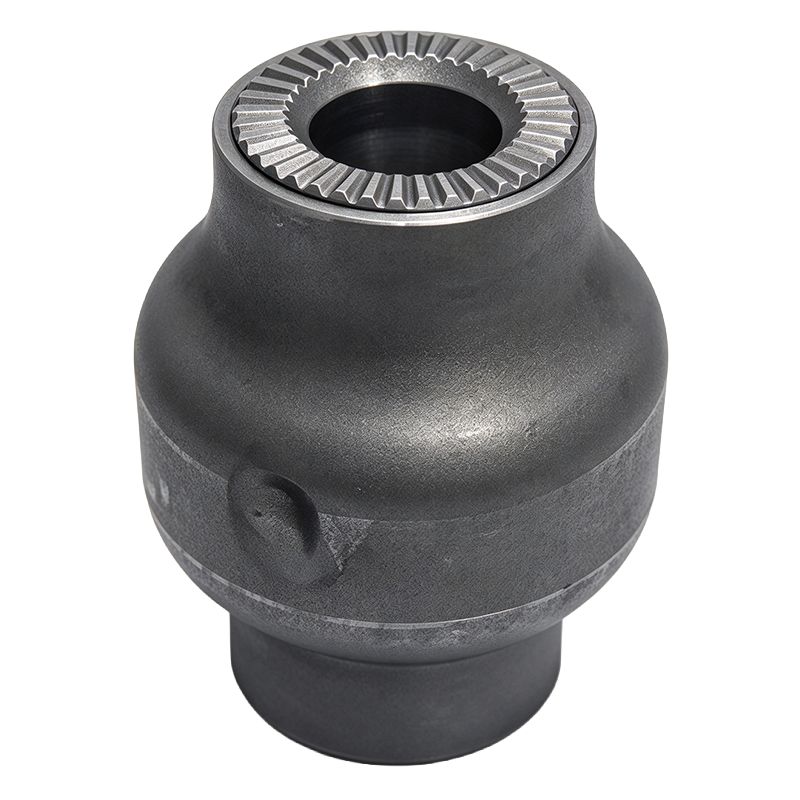
At the end of the day, subframe bushings are a small part, but they play a huge role in your vehicle’s safety and performance. Reusing them might seem like a good idea to save time or money, but the risks far outweigh the benefits for most people. If you’re working on a suspension project and need new subframe bushings, we’re here to help you find the right fit for your vehicle. Don’t gamble with your safety—reach out to us to learn more about our products and get a quote for your next project.
References:
- Society of Automotive Engineers (SAE) International. (2021). “Rubber Component Degradation in Chassis Suspension Systems.” SAE Technical Paper Series.
- Automotive Service Excellence (ASE). (2022). “Suspension and Steering Repair Guidelines.” ASE Certification Training Manual.
- Rubber Manufacturers Association (RMA). (2020). “Properties and Lifespan of Automotive Suspension Rubber Bushings.” RMA Technical Bulletin.
- National Highway Traffic Safety Administration (NHTSA). (2019). “Chassis Component Failure and Vehicle Safety.” NHTSA Vehicle Safety Reports.


