



If you’ve ever pushed your car hard on a twisty backroad, hauled a full load in your pickup, or even just noticed your rear end clunking over speed bumps like it’s unanchored, you’ve probably wondered: do aftermarket bump stops actually do anything for handling? I’ve spent years around this stuff—my team at Bump Stop On Car has worked on everything from daily driver commuters to race-prepped trucks—and the short answer is, it depends, but when done right, they can totally transform how your car feels on the road. Let’s break this down without the boring engineering jargon, no confusing fluff, just what actually works (and what’s just hype).
First, let’s start with what a stock bump stop even is, because a lot of people mix this up. A bump stop is that small, squishy (or sometimes hard) rubber piece mounted on your chassis or shock absorber that stops your suspension from bottoming out when you hit a big dip, load your car down, or brake super hard. Think of it like a safety net for your suspension—without it, you’d be slamming metal-on-metal every time your wheels hit their travel limit, which bends control arms, tears shocks apart, and turns your handling into a unpredictable mess. Stock bump stops are built for the lowest common denominator: they work fine for a stock car, but they’re a compromise. They’re soft enough to absorb rough road vibrations for daily driving, but too squishy when you’re actually trying to corner hard or carry extra weight. That’s where aftermarket ones come in.
Let’s get to the handling part, because that’s the big question. When you’re cornering, your car’s weight shifts to the outside wheels—so the suspension on that side compresses more as you turn. If your stock bump stop is too soft, that compression can push the suspension into the bump stop way too early. The bump stop will compress like a marshmallow, not a solid stop, so your wheels don’t stay planted on the ground. Instead, you get that vague, floaty feeling, and your car might push way too hard into a corner (understeer) or even lose traction and slide (oversteer) if you’re rear-wheel drive. Aftermarket bump stops fix this by being firmer, but not rock hard—they engage later in the suspension’s travel, right when you need maximum wheel contact with the road.
I remember a guy who brought his 2018 Ford Mustang to us a couple years back—he’d done basic mods: a new exhaust, shorter sway bars, and he thought his handling should be way better than it was. He told us he’d hit a backroad and his front end felt like it was gliding over the pavement instead of gripping. We swapped his stock front bump stops with our firmer ones, and he came back a week later saying he could take his favorite corner at 10 mph faster without his front end sliding. That’s not magic—that’s the bump stop stopping the suspension from compressing too far and letting the tire scrub against the road.
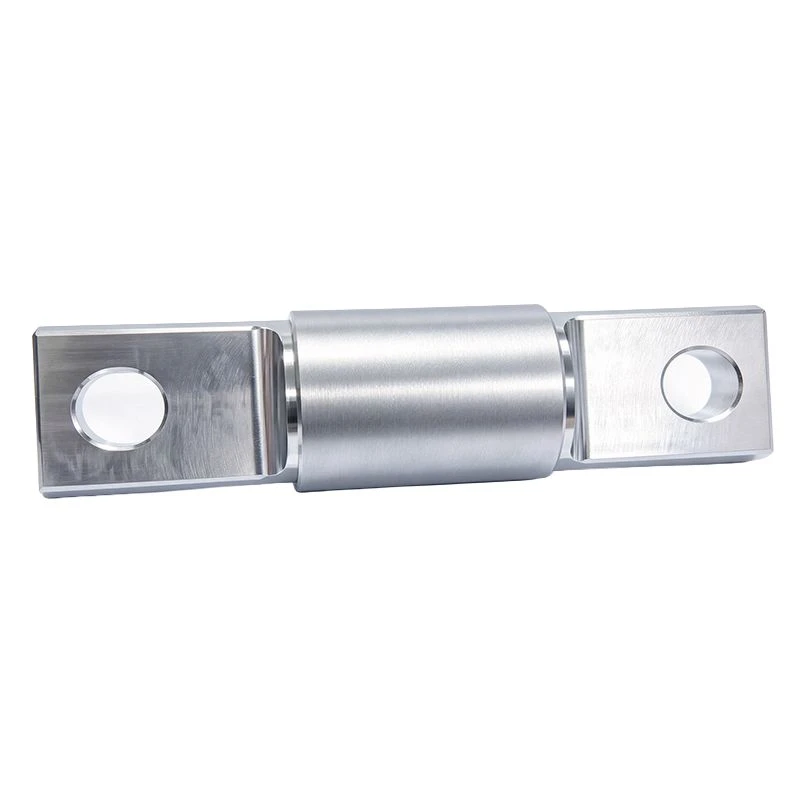
Wait, but what about rear bump stops? It’s not just the front, right? For cars that carry a lot of weight in the rear (pickups, SUVs, even sedans that haul people), stock rear bump stops get crushed constantly, so they lose their firmness over time. Once they’re worn, your rear end will squat under acceleration, which pulls weight off the front tires, making steering feel loose, or if you’re braking hard, the rear end will bounce because the suspension isn’t limited in travel. Our Rear Shock Absorber Mount line has bump stops integrated that are built to handle repeated load, so even when you’re towing a trailer or carrying a roof box, the rear suspension stays planted instead of bouncing around.
But hold on—aftermarket bump stops aren’t one-size-fits-all. That’s where a lot of people go wrong. If you just slap a set of super hard bump stops on without checking your suspension’s travel limits, you can cause more harm than good. I’ve seen guys put way too hard bump stops on a front-wheel drive car and end up with clunky steering because the suspension can’t compress enough to absorb small bumps. The sweet spot is matching the bump stop’s durometer (that’s the rubber hardness rating) to how you use your car. A daily driver that never sees a track day might benefit from a medium-firm upgrade, while a race car needs a track-specific, ultra-firm stop that only engages at full compression.
Another thing: bump stops work hand-in-hand with your other suspension parts. If you have worn shocks or weak springs, adding a firmer bump stop won’t fix those issues—you’ll still have that floaty handling, you’ll just get a loud clunk when the suspension slams the bump stop. That’s why it’s good to think of bump stops as a “handling upgrade add-on,” not a fix-all. If you’ve already got good shocks (like a set of heavy-duty ones for a pickup), pairing them with matching heavy-duty bump stops makes a huge difference. That’s why our Heavy Duty Shock Absorber Mount line includes bump stops calibrated for work trucks and off-road rigs, so you can carry a full load and still stay stable on the highway.
Let’s talk off-road too, because that’s another big area where handling matters. For an off-road truck, bottoming out can bend a rim, tear a shock seal, or even send the wheel flying off (yikes). Stock off-road bump stops are often too soft, so when you hit a big drop or a rock, the suspension slams into the stop at high speed, which jars the whole truck. Aftermarket off-road bump stops are built to handle that high-force impact, so they compress gradually instead of absorbing all the shock at once, which keeps the wheels connected to the ground even when you’re bouncing over rocks. I worked on a Jeep Gladiator last year that had stock bump stops that would bottom out over 2-foot drops, making the steering feel like it was fighting him. We swapped in our off-road specific bump stops, and he said the truck was way more stable on rough trails—no more wandering steering mid-bounce.
Wait, but what do people say about the downsides? A common complaint is that firmer bump stops make the ride harsher on small bumps. That’s true if you pick the wrong one, but the good aftermarket ones balance that. Look for a bump stop that has a progressive durometer—so it’s soft at first (to absorb small road vibrations) and gets firmer as it compresses (to stop big impacts and limit suspension travel). Our bump stops at Bump Stop On Car are made with that progressive rubber, so you don’t have to choose between a smooth daily ride and sharp handling. We also make sure they fit correctly: a bump stop that’s mounted too far away won’t engage when it needs to, and one mounted too close will rub the shock all the time. That’s why we have guides on our site for Front Shock Absorber Mount and Bottom Strut Mount installs, so you get the fit right without guessing.

Let’s wrap this up with a real test: last month, a local autocross racer brought his Honda Civic to us. He had upgraded springs and a nice set of shocks, but was still losing time on tight corners. We swapped his stock front bump stops for our track-ready progressive ones, adjusted the position to match his suspension’s travel. After his next practice run, he cut 0.8 seconds off his lap time. The difference? When he turned into the corner, his front suspension compressed exactly as it should, no early bottoming out, no sliding tires—just consistent grip all the way through the turn. That’s the real win here: aftermarket bump stops don’t just make your car feel better, they make it faster and safer.
If you’re considering upgrading your bump stops, don’t just grab the cheapest ones on Amazon. Make sure they’re designed for your car and how you use it. Whether you’re a daily driver who wants tighter steering, a pickup owner who hauls heavy loads, or a racer chasing lap times, there’s an aftermarket bump stop that works for you.
If you’re ready to upgrade or have questions about what fits your car, reach out to our team to discuss your exact needs. We can help you pick the right bump stops, whether it’s for your front shocks, rear shocks, or struts, and make sure you get the perfect fit for your setup.
References
- Milliken, W. F., & Milliken, D. L. (1995). Race Car Vehicle Dynamics. SAE International.
- Gillespie, T. D. (1992). Fundamentals of Vehicle Dynamics. Society of Automotive Engineers.
- Smith, C. (2006). Tune to Win: Motor Vehicle Suspension and Handling. Bentley Publishers.


