



If you’re someone who’s ever worked on your car’s suspension, chances are you’ve had to deal with tightening bolts on your front shock absorber mount. I’ve been supplying these parts for years, and one question that comes up all the time is: “What if I don’t tighten those bolts enough?” It’s easy to brush off under-tightening as a small mistake—like skipping a step when you’re in a rush to get back on the road—but it’s way more impactful than most people realize. Let me break this down, since I see the results of this every single day with the parts I send out.
First, let’s get clear on what we’re talking about here. Your front shock absorber mount isn’t just a hunk of metal holding the shock in place—it’s the link between the suspension and the chassis. The bolts that secure it have a specific torque spec for a reason. I’ve seen too many DIYers (and even some techs in a hurry) use a wrench and “eyeball” tightness, thinking it’s fine. But under-tightening here sets off a chain of small, annoying problems that turn into big, expensive ones over time.
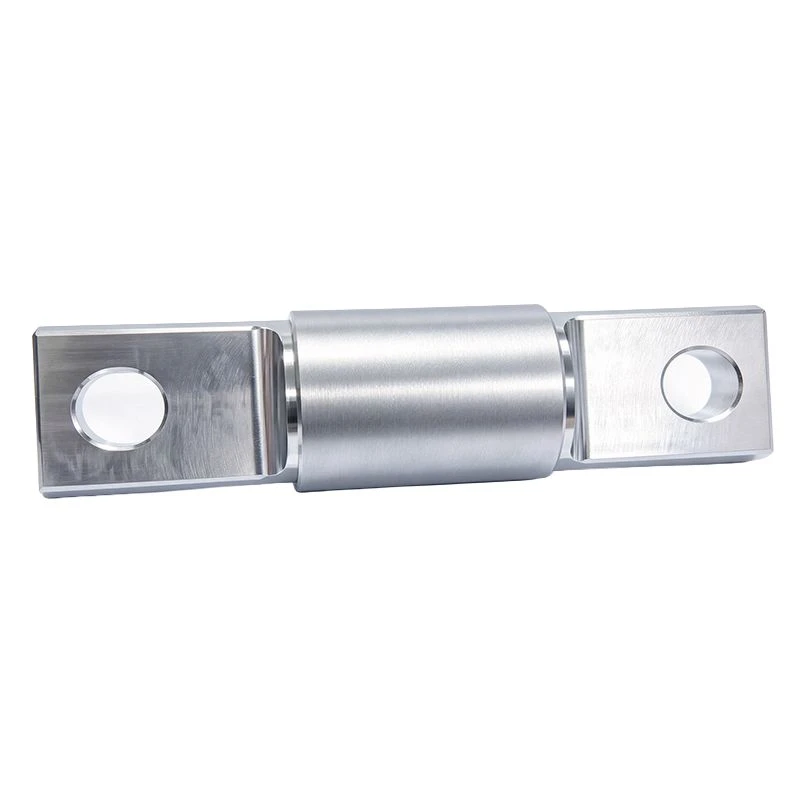
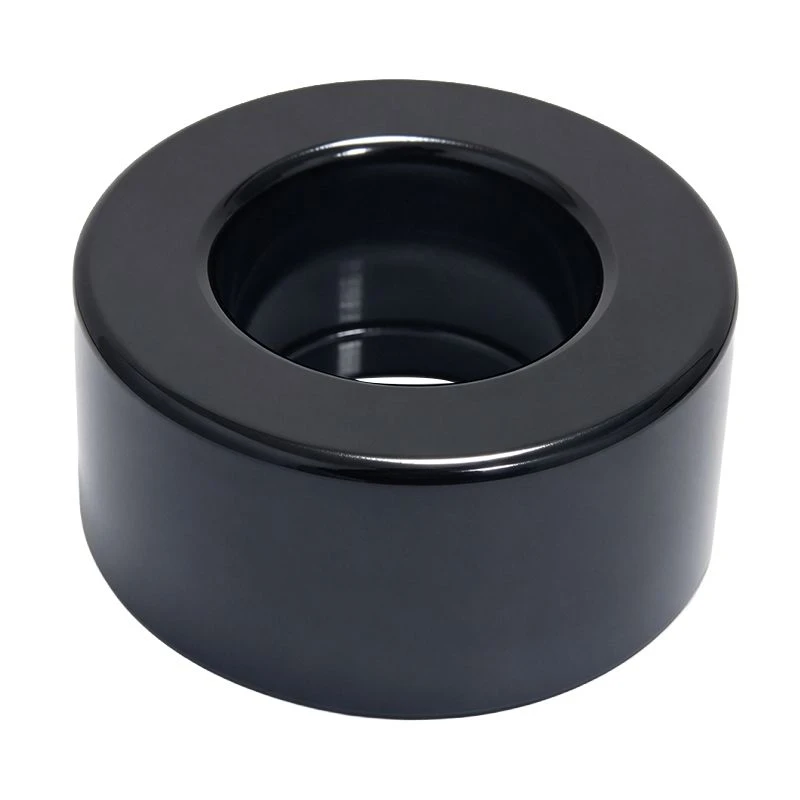
Let’s start with the immediate, on-the-road issues. When those bolts are too loose, the mount isn’t seated firmly. Every time you hit a pothole, a speed bump, or even just that regular old road vibration, the mount wiggles around. That leads to a lot of unwanted noise first—think clunks, rattles, or a weird thud when you turn or go over bumps. It’s not just annoying; it’s a sign that parts aren’t moving the way they’re supposed to. Worse, that movement puts extra stress on other connected parts, like your bump stop on car. The bump stop is there to keep the shock from bottoming out, but if the mount is moving, the bump stop can’t do its job correctly. It’ll wear out faster, and in extreme cases, you might get a shock through the chassis that feels like you’re driving on a broken spring.
I had a customer last month who swore his car was just “old and rattly”—turned out he’d tightened his front shock mount bolts with a regular wrench instead of a torque wrench, and they were only about 50% of the required tightness. He’d driven like that for three months, and the movement had worn down the mount’s bushing so bad he needed a whole new assembly. If he’d just followed the torque spec, that wouldn’t have happened. Bushes are cheap, but a worn front shock absorber mount? That’s a bigger repair.
Then there’s the long-term damage. Under-tightened bolts create constant micro-movement at the mount. That’s called “work hardening,” and over time, it can weaken the mount itself. Even a good-quality front shock absorber mount can crack or warp if it’s shifting around every time you drive. I’ve seen parts come back to me that have a little split right where the bolts go in—9 times out of 10, it’s from being under-tightened. That split doesn’t sound like a big deal until the mount fails at 60 mph on the highway. Suddenly, your shock isn’t anchored anymore, and you lose control of the front end. That’s not a risk anyone should take, no matter how small the mistake feels at the time.
Don’t think it’s just off-road or heavy vehicles, either. I supply front shock absorber mounts for all kinds of cars, from daily commuters to pickup trucks. Even a light commuter car can have serious issues if those bolts are loose. For pickup owners, it’s even more critical—heavy duty shock absorber mounts are built to handle extra weight, but if the bolts holding them are under-tightened, that heavy-duty build doesn’t mean squat. The movement will wear through the mount faster, and the extra weight will make the failure risk way higher. I had a fleet customer a while back who had five pickup trucks with loose bolts—two of them ended up needing new shock mounts after just a month of regular delivery runs. That cost them way more than if they’d just checked the torque when they did their oil changes.
Another thing people miss: alignment. If your front shock mount is wiggling, it throws your wheel alignment out of whack. That means your tires wear unevenly—you’ll get those bald spots on the edges of the tires, which means you’re replacing them way sooner than you should. Alignment issues also make your car handle weird, like pulling to one side or feeling loose when you turn. Most people don’t connect the noise and handling to loose mount bolts—they think the alignment is off, or the tires are bad. By the time they figure out the root cause, they’ve wasted money on unnecessary alignments or new tires, all because of a couple of bolts they didn’t tighten enough.
Let’s talk about how easy this is to avoid. The first step is always checking the manufacturer’s torque spec for your specific vehicle. It’s in the service manual, and it’s not a random number—it’s calculated based on the mount’s strength, the weight it needs to support, and how much movement it should handle. Use a torque wrench, not a regular wrench or a breaker bar. I know torque wrenches are a hassle if you don’t use them often, but skipping that step is a false economy. If you’re not comfortable doing it yourself, take it to a shop that will use a torque wrench—any good tech will tell you it’s non-negotiable for suspension parts.
Wait, what if you do get it loose? Don’t just tighten it more later—once a mount has been shifting, the damage is already done. If you notice clunking, uneven tire wear, or weird handling, check those bolts immediately. Even if they’re just a little loose, get them tightened to spec, and inspect the mount for any cracks or wear. If you wait, that small issue turns into a big repair. And for anyone replacing their mount—whether it’s a front one, rear shock absorber mount, or bottom strut mount—always replace the bolts too. Old bolts can stretch or get worn, so even if you tightened them before, a new mount deserves new hardware.
I get it—suspension work can be intimidating, and it’s easy to cut corners when you’re trying to save time. But here’s the thing: the front shock absorber mount is one of the most critical parts for how your car handles, and loose bolts there aren’t a “minor” mistake. They lead to noise, tire wear, alignment issues, and even structural damage to the mount itself. I’ve been in this industry long enough to see the worst-case scenarios, and they almost always trace back to under-tightened bolts.
If you’re in the market for a new front shock absorber mount, or any other suspension part, make sure you’re getting a part that’s built to last. My team supplies reliable mounts that fit exactly what your vehicle needs, so you don’t have to worry about the mount failing because of a manufacturing defect. But even the best mount won’t work right if the bolts holding it down are loose. That’s why it’s just as important to get the installation right as it is to get the right part.
Whether you’re a DIY mechanic or a professional shop, never underestimate the importance of tightening those mount bolts correctly. It’s a small step, but it keeps your car safe, saves you money on future repairs, and makes your ride way more comfortable. If you have questions about choosing the right shock absorber mount for your vehicle, or you’re looking to stock up on reliable parts for your shop, feel free to reach out to our team to discuss your needs. We can help you pick the right parts and answer any questions you have about installation best practices.
References
- National Highway Traffic Safety Administration (NHTSA) – Vehicle Suspension System Safety Guidelines
- Automotive Service Association (ASA) – Suspension Repair Best Practices
- Society of Automotive Engineers (SAE) – Torque Specifications for Chassis Components
- Motor Magazine – Common Suspension Issues and Root Causes


