



If you’ve ever felt your car wander a little too much on winding roads, noticed clunking noises when hitting potholes, or struggled with excessive body roll during sharp turns, chances are your stabilizer bar bushings are wearing out. As a stabilizer bar bushing supplier who’s spent years working with mechanics, fleet managers, and do-it-yourself enthusiasts, I can tell you this: checking these small yet critical components doesn’t require fancy tools or a garage full of equipment. It just needs a sharp eye, a little time, and the know-how to spot the difference between normal wear and the kind of damage that can turn a comfortable drive into a safety hazard.
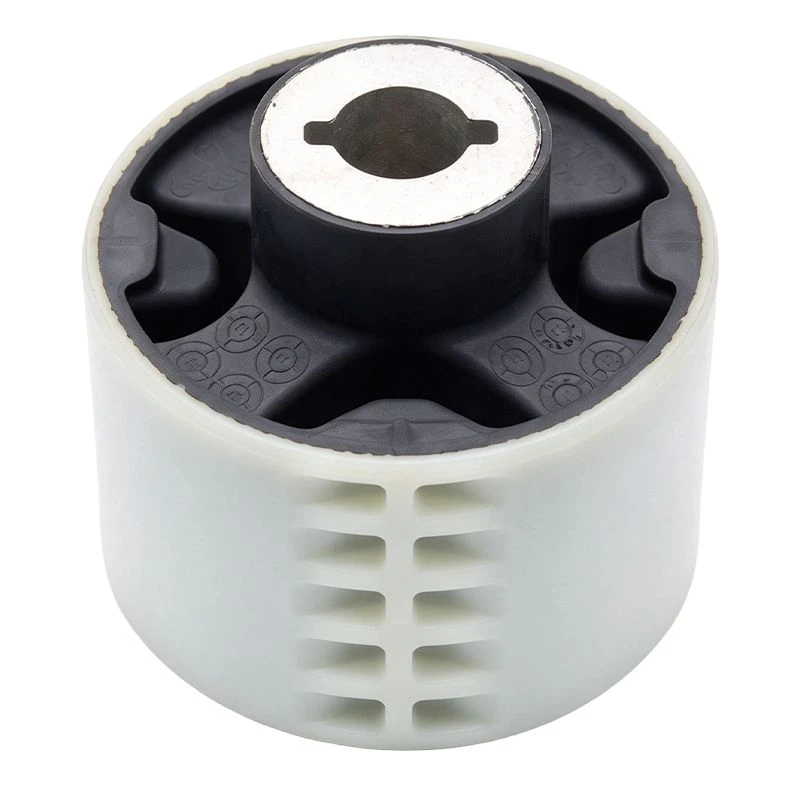
First, let’s talk about what stabilizer bar bushings do, because understanding their purpose makes checking them make sense. Also called sway bar bushings, these rubber or polyurethane rings wrap around the stabilizer (sway) bar and mount it to the vehicle’s frame or chassis. Their job is simple but non-negotiable: they hold the sway bar in place while letting it pivot slightly to reduce body roll, connect the two sides of the suspension, and dampen vibrations so you don’t feel every small bump on the road. Over time, the constant stress of weight transfer, road debris, and exposure to oil, salt, and UV rays causes these bushings to break down—just like any part designed to flex thousands of times a mile.
Before you start checking, it’s helpful to know where the bushings are located because placement affects how they wear. Front sway bar bushings are usually mounted low on the engine bay frame, near the control arms, while rear sway bar bushings sit closer to the rear axle, under the trunk or cargo area. There are also related components, like end link bushings, that work in tandem with the main bushings to keep the sway bar connected to the control arms. If you’re checking your rear setup, for example, don’t forget to inspect your Rear Sway Bar End Link Bushings along with the main rear bushings—worn end links can mimic the symptoms of bad main bushings, so checking both saves you from unnecessary part replacements.
Now, the practical part: how to actually check for wear. I’ve worked with hundreds of people who either overcomplicate this step or miss obvious signs because they rush. Let’s break it down into a simple, step-by-step process that works for passenger cars, trucks, and SUVs.
First, prepare your workspace. You’ll need a floor jack, jack stands (never just rely on a jack—safety first!), a flashlight, a small pry bar, and a clean rag. Lift the vehicle by the frame or the designated lift points (check your owner’s manual to avoid damage) and set it securely on jack stands, so the wheels hang freely and the suspension isn’t compressed. This gives you clear access to the sway bar and bushings. If you’re checking the front bushings, you can usually work from the wheel well side once the wheel is removed (it’s easier to get a good look that way), and for rear bushings, you might need to remove the inner trunk lining or plastic undertray—nothing too complicated, just a few Phillips head bolts.
Next, the visual check. This is the first thing I do, and it’s often the quickest way to spot damage. Start by locating each bushing on the sway bar. For rubber bushings, look for cracks, splits, or chunks missing from the material. Rubber naturally hardens and gets brittle over time, so if you see fine surface cracks or the material looks dull and not pliable, that’s a sign it’s breaking down. For polyurethane bushings—another popular option for performance drivers—look for signs of tearing, misalignment, or deformation. Polyurethane is more durable than rubber, but it can still crack under extreme stress, or become compressed if it’s been under-sized or improperly installed. If you need a closer look, our Rubber Stabilizer Bar Bushing and Polyurethane Stabilizer Bar Bushing product pages show what new, undamaged bushings look like, so you can compare against the ones you’re checking.
While you’re doing the visual check, pay attention to how the bushing fits around the sway bar. A good bushing should wrap tightly around the bar with no gaps. If you see space between the bushing inner diameter and the sway bar, that means the bushing has worn down and is no longer holding the bar securely. That gap is a big red flag—it lets the sway bar move around excessively, which causes the clunking noises and body roll I mentioned earlier. Also, check the mounting tabs where the bushing bolts to the frame. If the metal brackets are bent or corroded, that can make the bushings sit unevenly and wear out faster, even if the rubber or polyurethane itself looks fine.
After the visual check, it’s time for the physical test, which is more reliable for catching internal wear that you can’t see. Take your pry bar and gently insert it between the sway bar and the frame bracket holding the bushing. Apply upward and downward pressure, being careful not to use so much force that you damage the suspension. If the sway bar moves more than a quarter-inch side to side or up and down relative to the frame, the bushings are worn out. Normal sway bar movement should be minimal—they’re designed to pivot, not shift around. That excess play is the bushing wearing, and it’s a clear sign you need to replace them. If you’re testing the rear setup, the same rule applies: the sway bar should only move slightly when pressure is applied to the end links or the bar itself.
Another test I recommend is the noise test, which you can do without even lifting the car. Take your car for a slow drive over rough pavement, like a gravel road or a stretch of road with manhole covers and small potholes. Listen for clunking, rattling, or thudding noises coming from the front or rear of the vehicle. These noises are often more noticeable when the sway bar is under stress, like when turning or going over uneven ground. You can also try turning the steering wheel back and forth slightly while parked (with the engine off, so you don’t have power steering noise) and listening for the same clunking. I’ve had customers come to me saying they thought they had bad ball joints or tie rods, but the noise was actually worn sway bar bushings—so if you’re hearing those sounds, don’t skip checking the bushings first—it’s often a cheaper fix.
Let’s talk about common mistakes people make when checking sway bar bushings. The first is only checking the front bushings and forgetting the rear ones, or vice versa. Both wear out at about the same rate, usually between 60,000 and 100,000 miles, depending on driving conditions. If you drive a lot on salty roads or off-road, they’ll wear faster—sometimes as early as 40,000 miles. Another mistake is confusing end link wear with main bushing wear. As I mentioned earlier, Rear Sway Bar End Link Bushings and front end links have their own bushings, and those can wear out before the main bushings. Always check both when you’re diagnosing issues, because replacing end links when the main bushings are bad (or vice versa) is a waste of time and money.
Another mistake is ignoring small signs. I had a customer last year who noticed his car felt “floaty” on the highway but thought it was just tire pressure. He didn’t check his bushings for two more months, and by then the bushing had worn so badly that the sway bar came loose while he was driving on the freeway. Luckily, no one was hurt, but he ended up needing not just new bushings but a new sway bar bracket too. Don’t wait for that kind of failure—regular checks every oil change (around 5,000 to 7,500 miles) can catch wear early, when replacing the bushings is a quick, affordable job.
If you do find that your bushings are worn, you have options for replacement. The two most common types are rubber and polyurethane, each with their pros and cons. Rubber bushings (like our Rubber Stabilizer Bar Bushing) are quiet, flexible, and affordable, which makes them ideal for daily drivers and passenger cars. They absorb road noise better than polyurethane, which is a plus for comfort. Polyurethane bushings (our Polyurethane Stabilizer Bar Bushing) are more durable, resist oil and UV damage better, and provide more precise sway bar control, which is great for performance vehicles, trucks used for towing, or off-road driving. If you need a heavy-duty option, our Heavy Duty Stabilizer Bar Bushing is designed for vehicles that carry heavy loads or see extreme use. For most people, a Front Sway Bar Bushing Kit will come with all the parts you need for a full front replacement, including brackets and bolts if needed.
Replacing worn bushings isn’t hard, but if you’re not comfortable doing it yourself, a mechanic can do it in about an hour, depending on the vehicle. It’s a small job that has a big impact on how your car drives—fixing worn bushings will tighten up steering, reduce body roll, eliminate that clunking noise, and make your overall ride safer.
Now, let’s wrap this up with the key takeaways, because I know it’s easy to get lost in the details. First, stabilizer bar bushings wear over time, usually between 60,000 and 100,000 miles, with factors like road conditions and driving style speeding up that wear. Second, checking them is simple: lift the car, do a visual inspection for cracks or gaps, do a physical test for excess play, and listen for clunking or rattling noises while driving. Third, don’t forget to check both main bushings and end link bushings, and replace worn parts before they cause more serious damage.
If you’re a do-it-yourselfer looking for high-quality replacement bushings, or a mechanic or fleet manager needing bulk parts, we offer a range of options to fit every vehicle and use case. Our team has years of experience working with suspension parts, and we can help you pick the right bushings for your needs, whether you’re driving a daily commuter, a performance car, or a work truck. To discuss your requirements, contact our sales team to learn more about our stabilizer bar bushing products and place an order.
References
- Automotive Suspension Technology: Principles and Practices, SAE International, 2019
- “Sway Bar Bushing Wear and Failure Patterns,” National Highway Traffic Safety Administration (NHTSA), Vehicle Safety Research Division, 2021
- Rubber and Polyurethane Application Guidelines for Automotive Components, Society of Plastics Engineers (SPE), 2020
- “Light Truck and SUV Suspension Maintenance Schedule,” American Automobile Association (AAA), 2022


