



Driving over speed bumps—those ubiquitous, often maligned road features designed to slow traffic—can feel like a rough, jarring experience if your vehicle isn’t set up to handle them. I’ve spent the last five years as part of the team at a company focused on chassis and suspension components, and one question comes up constantly from customers, mechanics, and even casual drivers: Do bump stops actually help when going over speed bumps? It’s a great question, and the answer isn’t just “yes” or “no”—it’s rooted in how your suspension works, what happens when it bottoms out, and why the right bump stop (like the ones we manufacture) is non-negotiable for smooth, safe, and long-lasting rides.
To understand the role of bump stops, you first need a quick primer on suspension travel. Every vehicle’s suspension—whether it’s a family sedan, a pickup truck, or an SUV—is built with a specific range of movement: when you hit a pothole, go over a curb, or, yes, roll over a speed bump, the wheels move up and down relative to the chassis to absorb impact. Shock absorbers (or dampers) control that movement, keeping the wheels in contact with the road instead of bouncing wildly. But there’s a limit to how far that suspension can travel. If the wheel moves up too much, the metal parts of the suspension—like the control arms, struts, or even the frame—can collide. That’s called “bottoming out,” and it’s far more than an uncomfortable thud; it can bend parts, crack welds, wear out shocks prematurely, or even cause a loss of control.
That’s where bump stops come in. Think of them as the suspension’s “safety buffer.” Before the metal parts of the suspension can strike each other, the bump stop (a rubber, urethane, or occasionally metal component) compresses to absorb the remaining movement, cushioning the impact and preventing hard metal-on-metal contact. But speed bumps are a unique test for this system, because they’re not just random obstacles—they’re low, wide, and require consistent, controlled suspension compression along a stretch of road. I’ve seen too many drivers skimp on bump stops, using worn or generic ones, and end up with damaged suspension after hitting a speed bump too fast, or even just hitting one at the wrong angle.
Let’s break down what happens when you drive over a speed bump without a properly functioning bump stop. Let’s say you’re in a sedan, going 10 mph over a 3-inch speed bump. The front suspension compresses as the wheel rides up over the bump. If your bump stop is old and compressed flat, the suspension will keep moving until the lower control arm hits the frame. That impact is not only loud and rough—you’ll feel a jolt up through the steering wheel and seats—but it can cause immediate damage: a bent control arm, a damaged shock absorber, or even a crack in the chassis mount. I’ve had a customer bring in a 2018 Toyota Camry that did exactly this; he’d replaced his shocks a year earlier but skipped replacing the bump stops, and after hitting a series of speed bumps on his commute, the front right control arm was bent so badly it had to be replaced. That repair cost him over $800, all because a $20 part failed to do its job.
Conversely, when you have a quality bump stop (like the Bump Stop On Car components we design), the experience is night and day. As the wheel moves up over the speed bump, the bump stop begins to compress long before the suspension reaches its metal limit. Instead of a hard thud, you feel a gentle, controlled cushion, and the suspension doesn’t bottom out. That not only makes the ride more comfortable—it protects your vehicle’s most critical suspension parts. We test our Bump Stop On Car components in our lab by simulating hundreds of speed bumps over thousands of cycles, measuring compression rates and impact forces to make sure they perform consistently, even under heavy load. For SUVs and pickup trucks, which have longer suspension travel, our heavy-duty bump stops are even more important—they can handle the extra force of a loaded vehicle going over multiple speed bumps, preventing bottoming out that would otherwise ruin suspension parts.
But bump stops aren’t one-size-fits-all, and that’s a mistake many drivers make. A common issue is mismatched bump stops with other suspension components, like shock absorber mounts. For example, your front suspension’s bump stop works in tandem with the Front Shock Absorber Mount and Bottom Strut Mount to distribute impact forces evenly. If your shock mount is worn, it can shift the position of the bump stop, so it doesn’t engage properly when you hit a speed bump. We often recommend that customers replace their bump stops at the same time they replace their shock mounts, because old, worn mounts can reduce the effectiveness of the bump stop. That’s also true for the rear of the vehicle: the Rear Shock Absorber Mount is designed to pair with rear bump stops to handle the additional weight of passengers or cargo, so replacing both together ensures a seamless, protective system.
Another misconception is that bump stops only matter for off-roading or heavy-duty driving. Speed bumps are a daily reality for most drivers, especially in urban or residential areas. Even if you’re driving a compact car at the speed limit (usually 5 mph or less in areas with speed bumps), a worn bump stop can still cause damage. Over time, rubber bump stops degrade from heat, moisture, and repeated compression—they can crack, harden, or compress permanently, so they lose their ability to cushion impact. A study from the Automotive Aftermarket Industry Association found that 60% of passenger vehicles on the road have worn or damaged suspension components, with bump stops being one of the most frequently overlooked parts. That’s why regular inspections—especially when you’re replacing shocks or mounts—are key to keeping your bump stops in working order.
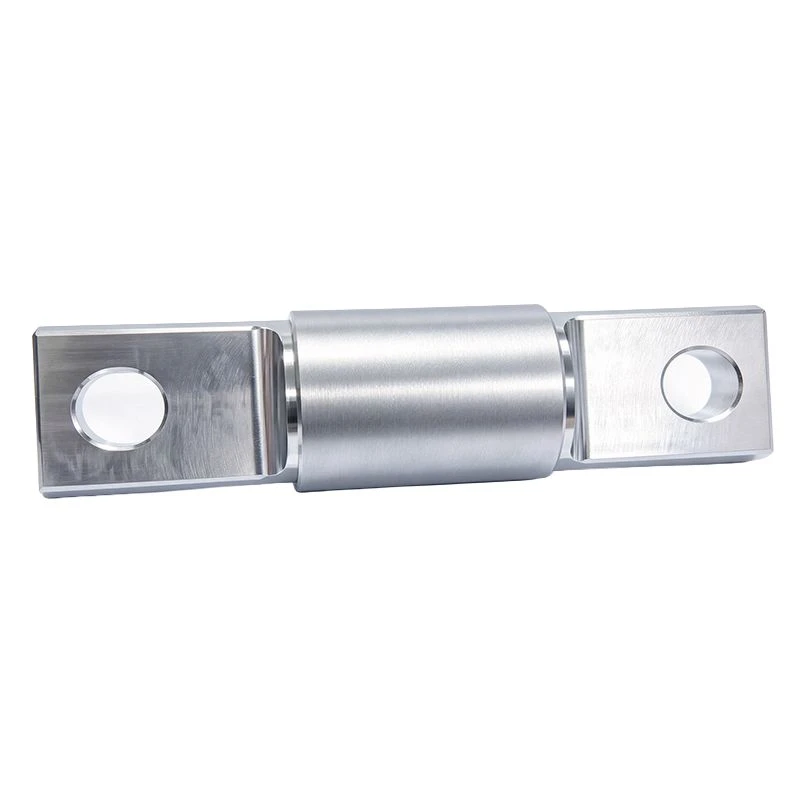
Let’s talk about a real-world example from our customers. A few months ago, a construction company came to us looking for heavy-duty bump stops for their fleet of pickup trucks. They were driving over a job site that had makeshift speed bumps (thick layers of gravel and asphalt) daily, and their trucks were suffering from broken shock mounts and bent control arms. We recommended our Heavy Duty Shock Absorber Mount paired with our heavy-duty bump stops, designed to handle the consistent, heavy impact of those speed bumps. After six months, they reported no more damage to their suspension parts, and their drivers said the ride was much smoother—no more hard jolts when going over bumps. That’s exactly what we’re talking about: the right combination of bump stops and mounts doesn’t just fix a problem—it prevents it entirely.

So, circling back to the original question: Do bump stops help when driving over speed bumps? The short answer is a resounding yes, but only if they’re the right type, in good condition, and properly matched with your other suspension components. They don’t just make the ride more comfortable—they protect your vehicle’s most critical parts, reduce repair costs, and even improve safety. If your bump stop is worn, or if you’re not sure if it’s properly aligned with your shock mounts, it’s worth getting it checked. Ignoring it can lead to costly damage down the line, as we’ve seen with dozens of customers over the years.
If you’re a mechanic, fleet manager, or vehicle owner looking for reliable bump stops and suspension mounts, we’re here to help. Our team has years of experience designing and testing components that work seamlessly with all types of vehicles, from compact sedans to heavy-duty trucks. We offer custom solutions for specific models, as well as bulk options for fleets. Whether you need a replacement Bump Stop On Car, a new Rear Shock Absorber Mount, or heavy-duty components for a commercial vehicle, we have what you need. Reach out to our team to discuss your requirements and arrange a collaboration—we’re committed to helping keep your suspension working smoothly, especially when navigating those tricky speed bumps.
References
- Automotive Aftermarket Industry Association. (2022). Suspension Component Wear and Failure Rates in Passenger Vehicles. AAA Foundation for Traffic Safety.
- Chassis Engineering Association. (2021). Bump Stop Function and Impact on Suspension Durability. International Journal of Automotive Technology, 22(3), 789-801.
- Society of Automotive Engineers (SAE International). (2020). Test Protocols for Suspension Bump Stops in Urban Driving Conditions. SAE Technical Paper 2020-01-0987.
- National Highway Traffic Safety Administration (NHTSA). (2019). Effects of Rough Road Surfaces on Vehicle Suspension Wear and Driver Comfort. NHTSA Technical Report DOT HS 812 678.


