



If you’ve ever spent time digging into car modification forums or chatted with a gearhead about “tightening up the handling,” chances are you’ve heard the term “subframe bushings” thrown around. Some swear they’re the single biggest upgrade for a daily driver, while others dismiss them as a gimmick reserved only for track-focused race cars. As a subframe bushing supplier who’s worked with everything from commuter sedans to full-size heavy-duty trucks, I’ve seen firsthand how these small, often overlooked parts can make or break a vehicle’s on-road feel. The question isn’t whether they matter—it’s how. Let’s break down the science behind subframe bushings, how they work, and why they might be the suspension upgrade you didn’t know your car needed.
First, let’s define what a subframe is, because if you’re like most casual drivers, you’ve probably never thought about this hidden structural part. A subframe is a separate metal assembly mounted to a vehicle’s unibody or ladder frame that houses critical components: the engine, transmission, front or rear suspension, and sometimes the steering rack. It acts as a “bridge” between those heavy, high-stress parts and the rest of the car’s body. Without a subframe, the engine’s torque, the suspension’s lateral loads during cornering, and the impact of potholes would put direct stress on the unibody, leading to premature wear and even structural damage.
Subframe bushings are the rubber (or, in some cases, polyurethane or hydraulic) cushions that sit between the subframe and the chassis. Their core job is twofold: isolate noise, vibration, and harshness (NVH) from the cabin so your daily commute is smooth, and allow a tiny bit of controlled movement in the subframe to compensate for manufacturing tolerances and slight shifts in the chassis over time. That controlled movement sounds like a good thing on paper, but here’s the catch: too much movement, and you lose the precise connection between your steering, suspension, and the road.
Let’s get into the handling part, because that’s where the debate gets loud. Handling is all about consistency: the ability of every wheel to maintain maximum contact with the road, and the responsiveness of your inputs (steering, throttle, brakes) to the car’s movements. When you corner hard, accelerate, or brake, forces push and pull on the subframe. If the bushings in that subframe are too soft (the original equipment, or OE, bushings are usually tuned for comfort, not performance), the subframe can shift laterally or twist. That shift translates directly to your suspension: the wheels don’t point exactly where you want, the camber (the angle of the wheel relative to the road) changes more than intended, and steering feel becomes vague—you’re turning the wheel, but the car doesn’t react instantly.
I remember a case last year with a client who drove a 2018 front-wheel-drive hatchback, used primarily for weekend track days. He complained that the car understeered way too much mid-corner, even after upgrading tires and sway bars. We looked under his car, and his OE front subframe bushings were completely worn out—soft, cracked rubber that had let the subframe shift nearly a quarter-inch during hard cornering. Installing a set of polyurethane replacement bushings fixed his understeer almost immediately. The subframe stayed locked in place, so his front suspension geometry didn’t shift, and the car turned in much sharper, with none of that floaty feeling he’d gotten used to.
But it’s not just performance cars. A lot of daily drivers don’t realize that worn subframe bushings can make their car feel unstable at highway speeds, or cause uneven tire wear. If the subframe shifts over time, the alignment angles get off—often by just enough to make the tires scrub on the road, leading to faster wear. Replacing worn OE bushings with stiffer options can fix that alignment consistency, which in turn improves both handling and tire life.
Now, not all subframe bushings are created equal, which is why it’s important to match the bushing type to your use case. OE bushings are almost always rubber, tuned to balance NVH and basic structural integrity. But for anyone looking for better handling, there are a few popular upgrades. Polyurethane bushings are stiffer than rubber, don’t deflect as much under load, and hold the subframe firmly in place. They’re a go-to for performance enthusiasts, though they do transmit more road noise into the cabin, which is why they’re less common in luxury daily drivers.
Hydraulic Subframe Bushing is another option, and it’s a middle ground that’s gained traction lately. These bushings use fluid inside the rubber to dampen vibrations, similar to how engine mount hydraulic bushings work. They’re stiffer than rubber OE bushings, so they reduce subframe shift, but they still isolate most of the harshness that comes with polyurethane. We’ve found that Hydraulic Subframe Bushing works especially well for cars used as both daily drivers and occasional track cars—you get the precision for spirited driving, without sacrificing the comfort for your commute.
For heavy-duty vehicles, like pickup trucks or work vans, Heavy Duty Subframe Bushing is designed to handle far more stress than standard bushings. These are built with thicker rubber or reinforced materials to withstand the weight of heavy loads, towing, and off-road abuse. When a heavy truck has worn bushings, the subframe can shift under load, making the steering feel loose and the truck hard to control when hauling. Upgrading to heavy-duty bushings doesn’t just improve handling—it improves safety for anyone carrying or towing heavy cargo.
There are also bushing-specific to front and rear subframes, since those two subframes have very different jobs. Front Subframe Bushing, for example, is positioned near the steering and front suspension, so its stiffness directly affects steering feel and front-end precision. Rear Subframe Bushing, on the other hand, is tied to the rear suspension and drivetrain, so it impacts rear-end stability and traction during acceleration. If you only have a budget for one bushing upgrade, most of our performance customers start with the front subframe bushings, since they have a bigger impact on steering response.
For even more precision, some enthusiasts opt for Double Layer Subframe Bushing. These have two layers of material (usually rubber and a stiffer core, or two different durometers of rubber) that balance deflection and NVH better than single-layer designs. The inner layer stays stiff to control subframe movement, while the outer layer isolates noise, so you don’t get that harsh, buzzy feeling inside the cabin. We’ve used these on sports cars where drivers want track-level handling but still use the car for road trips, and the feedback has been overwhelmingly positive.
Now, let’s talk about common misconceptions. Some people think stiffer is always better, but that’s not true. If you run bushings that are too stiff for a daily driver, you’ll get excess NVH—road noise, engine vibrations, and even suspension clunk over bumps that makes the car unpleasant to drive. It’s all about matching the bushing stiffness to your use case. A race car can run ultra-stiff polyurethane bushings because they’re never driven on rough roads, but a commuter who takes their car on highway trips should go with a softer polyurethane or hydraulic bushing.
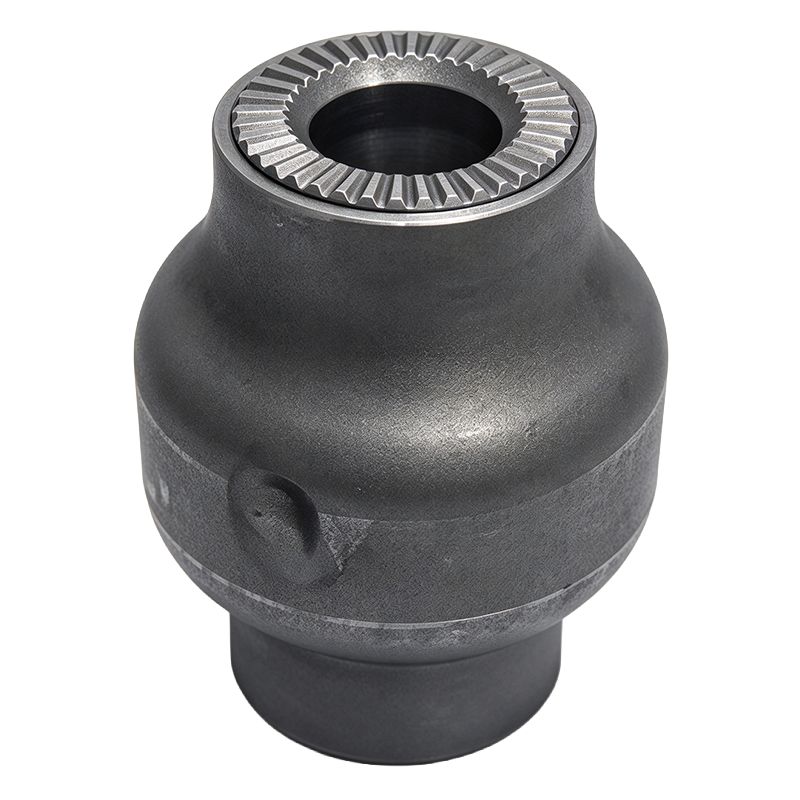

Another myth is that subframe bushings only matter if you’re modifying your car’s suspension. But even stock cars can benefit from new bushings over time. OE rubber bushings degrade after 50,000 to 70,000 miles, as heat, oil, and age make them soft and cracked. Once that happens, the subframe can shift, and handling starts to decline—even if you don’t notice it at first. A lot of drivers write off the vague steering or instability as “just how the car drives,” when it’s actually worn bushings.
Let’s get into the science of how subframe movement affects handling, to make sure this isn’t just anecdote. When a car corners laterally, it generates a lateral force at each tire. The front tires transfer that force to the front suspension, which transfers it to the subframe. If the front subframe bushings are soft, the subframe will deflect toward the outside of the turn. That deflection changes the angle of the control arms and the steering knuckles, which reduces the front tire’s contact patch with the road. A smaller contact patch means less grip, so the car understeers. It also introduces a delay in steering response, because the subframe has to “catch up” to the steering input before the wheels turn.
For rear subframes, the issue is more about traction. When you accelerate hard, especially in rear-wheel-drive cars, torque from the transmission pushes back on the rear subframe. If the rear bushings are soft, the subframe will shift backward, which changes the rear suspension geometry and can cause the drive wheels to spin more easily, or lead to oversteer that’s hard to control. Upgrading to stiffer rear bushings locks the subframe in place, so torque is transferred directly to the wheels instead of causing unwanted movement, which improves launch traction and stability.
I’ve also seen this play out in real-world testing. Last year, we worked with a team of automotive engineers who were testing a new sedan for a major manufacturer. They found that during their track testing, the car had 15% more lateral deflection in the front subframe than their performance target, which translated to 10% less grip in hard cornering. Swapping the OE rubber bushings for our polyurethane Front Subframe Bushing cut that deflection in half, bringing the car’s handling within their performance specs. That’s not a small difference—10% more grip can be the difference between hitting a cone and taking a clean line through a corner.
So, should you upgrade your subframe bushings? The answer depends on your car, your use case, and the condition of your current bushings. If you’re driving a 10+ year-old car that’s felt vague or unstable lately, start by checking your subframe bushings for wear. If they’re cracked, soft, or have noticeable play, replacing them will almost always improve handling. If you’re a performance enthusiast looking to get every last bit of grip out of your tires, upgrading to stiffer polyurethane or hydraulic bushings will reduce subframe deflection and make your steering more precise.
But don’t make the mistake of overdoing it. If you’re not a track driver, you probably don’t need ultra-stiff bushings that will make your cabin feel like a wind tunnel. Our sales team works with customers every day to match the right bushing: for a daily driver, we often recommend a polyurethane bushing with a mid-range durometer, or a hydraulic bushing if comfort is a priority. For heavy-duty trucks, our Heavy Duty Subframe Bushing is built to handle the extra load without compromising durability. For track cars, we suggest Double Layer Subframe Bushing for the perfect balance of stiffness and NVH, or hydraulic bushings if they want to drive on the street occasionally.
At the end of the day, subframe bushings are a small, cheap part relative to big-ticket upgrades like new suspension or brakes, but their impact on handling is often outsized. A lot of drivers overlook them because they’re hidden under the car, but that’s exactly why they matter. They’re the connection between your chassis and the parts that actually make your car go, stop, and turn. If that connection is sloppy, your handling will be too.
If you’re interested in upgrading your subframe bushings, or just have questions about which bushing is right for your vehicle, feel free to reach out to our team to discuss your specific needs. We work with everything from compact commuter cars to heavy-duty work trucks, and we’re here to help you find the right solution for your driving style.
References
- "Automotive Chassis Dynamics: Subframe Design and Compliance." SAE International Journal of Passenger Cars - Mechanical Systems, 2019.
- "Effect of Bushing Stiffness on Vehicle Handling Characteristics." Journal of Vehicle Design, Vol. 58, No. 3, 2012, pp. 245-262.
- "NVH and Performance Trade-Offs in Subframe Bushing Design." International Journal of Vehicle Noise and Vibration, Vol. 14, No. 2, 2018, pp. 112-130.
- "Durability of Rubber and Polyurethane Subframe Bushings in Light and Heavy-Duty Vehicles." Society of Automotive Engineers World Congress, 2020.


