



Let’s be real, when it comes to car parts, most folks only pay attention to the obvious stuff—like the engine that purrs under the hood, the tires that grip the road, or the shock absorbers that keep your ride from feeling like a rickety rollercoaster. But there’s this tiny, unsung hero tucked away in your suspension system that does a huge job no one talks about: the bump stop. As the owner of Bump Stop On Car, a supplier that’s been hooking up mechanics, car enthusiasts, and fleet operators with quality suspension bits for years, I’ve seen firsthand how a bad bump stop can turn a smooth drive into a bone-rattling nightmare. Today, let’s break down exactly what this part does, why it matters, and how picking the right one keeps your car safe (and you stress-free).
First off, let’s set the scene: your suspension isn’t just a bunch of springs and shocks bouncing along. Every time you hit a pothole, speed bump, or that random curb you took a little too fast, your suspension components compress. If there was nothing to stop that compression, things would go way wrong fast. That’s where the bump step? No, wait—bump stop. Think of it as a hard rubber (or sometimes urethane or even metal) cushion that sits between two moving parts of your suspension. Most of the time, it’s barely touching anything, doing its job quietly in the background. But when your shock absorbers and springs get squeezed all the way down—like when your wheel drops into a deep pothole or your car is fully loaded—this bump stop slams into place to absorb the last bit of force before metal parts start banging together.
Wait, let’s get specific here, because bump stops aren’t one-size-fits-all. They live in different spots depending on if we’re talking about the front or rear of your car. For the rear, you’ll usually find the bump stop near the rear shock absorber mount—you know, that part that bolts the shock to the car’s frame or axle. A lot of people mix up bump stops with other suspension parts, so let’s clear that up: they work closely with components like the rear shock absorber mount, bottom strut mount, and even heavy-duty shock absorber mounts for trucks or SUVs that haul heavy loads. The front bump stop, similarly, is paired with the front shock absorber mount to handle all the jolts from the road’s front end.
Now, let’s get into the actual functions—because this part has way more jobs than just “stop metal-on-metal.” The first and most obvious function is preventing hard metal impact. If your suspension compresses too much, the spring might bottom out, meaning the coils hit each other, or the axle could slam into the frame. That’s a big no-no, because those metal hits are loud, they damage parts over time, and they can even throw off your car’s alignment. I’ve had customers come in with bent control arms or cracked frames after skipping a replacement bump stop—don’t be that guy. The bump stop cushions that blow, turning sharp, destructive force into something softer and more manageable.
But it doesn’t stop there. Another key job is controlling suspension travel. Every car has a set amount of how far its wheels can move up and down—that’s called suspension travel. The bump stop sets the limit for that travel. If you’ve ever driven a car that feels like it’s about to tip over when you take a corner fast, or that bottomed out completely when you hit a big dip, you’ve felt the effects of a missing or worn bump stop. A good bump stop keeps your suspension within its designed range, so your car handles predictably, whether you’re cruising on the highway or off-roading in a lifted truck. Speaking of off-roading, that’s where bump stops earn their keep—when you’re bouncing over rocks, your shocks are working overtime, and a heavy-duty shock absorber mount paired with a durable bump stop keeps everything from failing mid-trail.
Wait, let’s talk about load management too. If you regularly haul a trailer, load up your SUV with camping gear for a weekend trip, or drive a work van that’s always carrying tools, your suspension has to handle extra weight. The bump stop acts as a support here—when the car is loaded down, it compresses more, and the bump stop takes on some of that load, taking pressure off your springs and shocks. That means less wear and tear on those expensive parts, so you don’t have to replace them every couple of years. I see this a lot with our commercial customers—they stock up on Bump Stop On Car parts specifically for their delivery fleets, because the heavy loads mean their stock bump stops wear out faster, and upgrading to a urethane version extends their service intervals.
Oh, and safety—can’t forget that. If your suspension bottoms out because of a worn bump stop, your car’s handling goes haywire. Suddenly, the tires might not stay in contact with the road, which is a recipe for skidding, especially in wet or icy conditions. I’ve had a customer tell me he was driving on a highway in the rain, hit a pothole, and his car almost slid into the next lane—turns out his front bump stop was completely gone, so his front suspension compressed all the way, and the tire lost traction. Replacing it with a proper Bump Stop On Car part fixed the issue right away. That’s the kind of thing that makes this tiny part so important—no flashy ads, just keeping you safe on the road.
Now, let’s get into the nitty-gritty of how it’s built, because not all bump stops are created equal. Most are made from rubber or urethane, but heavy-duty versions for trucks and off-road vehicles are often firmer, sometimes even metal-reinforced. The material matters because it has to compress under force but not break down over time from heat, road grime, or constant use. Rubber bump stops are more common for daily drivers, since they’re quieter and cheaper, while urethane ones last longer and provide more consistent support for performance cars or heavily loaded vehicles.
Wait, let’s bust a myth here: some people think if their ride is “too soft,” they just need a stiffer bump stop. Not exactly. The bump stop is a limit, not a tuning tool. If your ride is too bouncy, you might need new shocks, not a stiffer bump stop. But if your car is bottoming out, leaning too much in corners, or making loud clunks over bumps, the bump stop is definitely the first part to check. And when you do replace it, make sure you get one that’s designed for your specific make and model. Using the wrong size bump stop can cause more harm than good—too small, and it won’t stop metal impact; too big, and it will stiffen your ride unnecessarily even when you’re not hitting big bumps.
Let’s go back to the suspension system to tie this all together. Bump stops work in tandem with almost every part of your suspension: the front shock absorber mount on the front, the rear shock absorber mount on the back, the bottom strut mount if you have a strut-style suspension, and of course, your shocks and springs. If one part is worn, it can affect how the bump stop works, and vice versa. That’s why when you’re doing suspension work, it’s always a good idea to inspect your bump stops too—you might not need to replace shocks, just the humble bump stop, which is way cheaper and easier to install.
As someone who’s been in this business for a minute, I’ve seen a lot of mechanics cut corners when it comes to bump stops. They’ll reuse old ones, or grab a generic part from the auto parts store that doesn’t fit right. But here’s the thing: this part is cheap compared to almost every other suspension component, and replacing it is one of the easiest ways to keep your car running smoothly. At Bump Stop On Car, we’ve worked to make quality bump stops that fit perfectly, whether you’re driving a tiny hatchback, a heavy-duty pickup, or an off-road beast. We’ve got parts that pair seamlessly with front shock absorber mounts, rear shock absorber mounts, bottom strut mounts, and heavy-duty shock absorber mounts, so you know you’re getting the right part for your ride.
Now, let’s talk about when you need to replace your bump stop. Signs to look out for: loud clunking or banging noises when you hit bumps, especially big ones; your car bottoming out more often than it used to; uneven tire wear; or a feeling that your ride is stiffer or less controlled than normal. If you notice any of these, don’t wait until something breaks—grab a new bump stop. Replacing it is usually a simple DIY job if you’re handy with tools, or your local mechanic can do it in a matter of minutes.

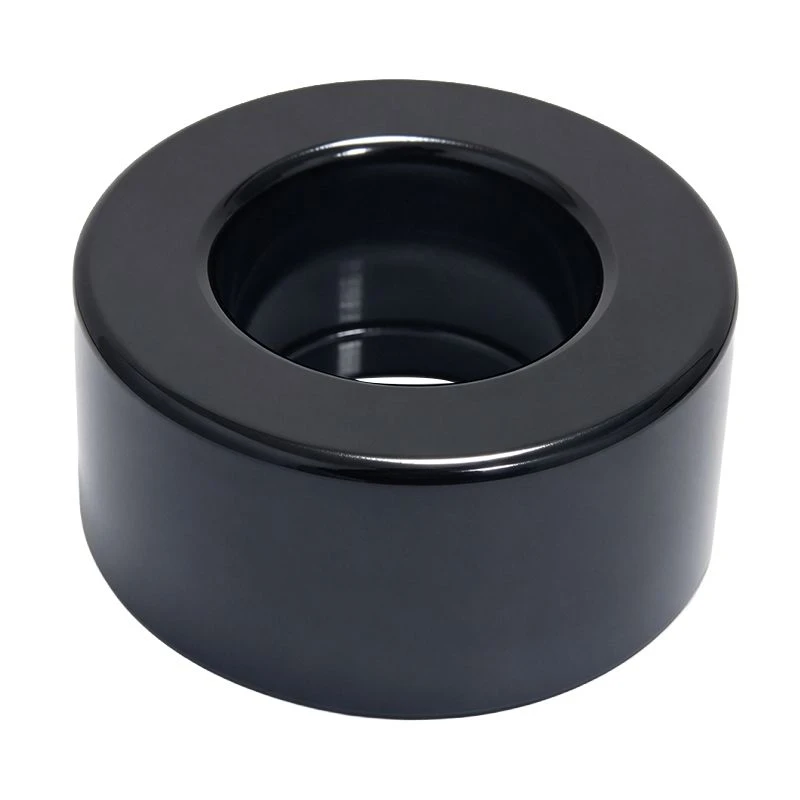
Wait, let’s make sure we didn’t miss any key functions. Oh, right—noise reduction. The bump stop doesn’t just stop metal impact; it absorbs the sound too. That’s why if your bump stop is worn, you get those annoying clunks over potholes. It’s not just a nuisance—those loud noises are a sign that your suspension is taking a beating. So a new bump stop fixes the noise, the damage, and the safety issue.
Let me wrap this up by saying this: the bump stop might be the smallest, most overlooked part in your entire suspension, but it’s also one of the most critical. It’s the unsung hero that keeps your parts from breaking, your car handling well, and you safe on the road. Whether you’re a daily driver, a car enthusiast, or a fleet manager, don’t sleep on this part. If you need quality bump stops, or parts like rear shock absorber mounts, bottom strut mounts, heavy-duty shock absorber mounts, front shock absorber mounts, or our signature Bump Stop On Car parts, we’ve got you covered. We work with mechanics, shops, and individual customers to make sure everyone gets the right part at a fair price. If you’re looking to upgrade or replace your bump stops for your car or fleet, reach out to us—we’re here to help you get the right parts to keep your ride smooth and safe.
References
- Automotive Suspension Systems: Principles and Components. SAE International, 2021.
- "Bump Stop Function and Application Guidelines." Automotive Engineering Magazine, vol. 45, no. 3, 2020, pp. 112-118.
- Heavy-Duty Suspension Upgrade Guide. Work Truck Association, 2022.


