



Hey there, car lovers and industry folks! Let’s cut to the chase: if you’re a gearhead who’s ever bottomed out hard over a speed bump or a pothole, you know that jolt that makes your teeth rattle. But today, we’re diving into the unsung heroes that prevent that mess—bump stops—and what happens when they’re too short. I’m part of the Bump Stop On Car team, so this is stuff we deal with every day, not just textbook jargon. Let’s break it down like we’re talking shop over coffee.
First, let’s make sure we’re on the same page. What’s a bump stop? It’s that little (or not-so-little) rubber or urethane buffer that sits between your car’s chassis and its suspension components. When your suspension compresses fully—whether it’s hitting a big bump, a hard stop, or loading up with a ton of cargo—that bump stop is the last thing that stops two metal parts from slamming together. If it’s too short, that last line of defense is gone. Simple, right? But the ripple effect? That’s where the problems pile up.
Let’s start with the immediate, in-the-moment damage. If your bump stop is too short, when your suspension bottoms out, the coil spring (or in some cases, the strut) will hit the chassis frame instead of the soft buffer. Think of it like jumping off a small ledge and landing on concrete instead of a foam mat—only your car is the one taking the impact. For example, if you’re hauling a load of firewood for a camping trip, your rear suspension compresses way more than normal. A too-short rear bump stop means the shock absorber’s lower mount, which is designed to handle smooth, controlled movement, gets crushed against the frame. Over time, that repeated metal-on-metal impact will warp the shock’s mounting ears, crack the frame, or even bend the strut itself. I’ve seen this firsthand—customers come to us with busted Bottom Strut Mounts after ignoring short bump stops for a few months. It’s not just a repair; it’s a safety risk.
Then there’s the suspension’s performance hit. Suspension isn’t just about avoiding damage—it’s about how your car handles, brakes, and rides. Bump stops are tuned to work with your shock absorbers to control compression speed. A too-short bump stop means the suspension doesn’t have enough resistance when it bottoms out. So instead of the shock absorbing that last little bit of movement, the entire car lurches. You might notice your steering feels loose after a hard stop, or your car dives way too far forward when you brake suddenly. For front suspensions, this is extra bad—if the front bump stop is too short, your wheel alignment will go out of whack faster. The wheels might sit at a weird angle, causing uneven tire wear that leaves you replacing tires every 10k miles instead of 30k. We get tons of questions from people confused about why their tires are wearing out so fast, and 9 times out of 10, a quick check of their Front Shock Absorber Mounts and bump stops tells the story.
Wait, let’s talk about long-term wear, because this isn’t just a one-time problem. If you’re running too-short bump stops, every single compression event—even the small ones—are putting extra stress on parts that weren’t built for it. The shock absorber’s job is to dampen vibrations, not absorb hard impacts. A too-short bump stop means the shock is taking those impacts, which wears out its internal seals way faster. Leaking shocks are a common issue here, and once the shocks are gone, your ride turns into a bouncy, unstable mess. Also, the bump stops themselves? Wait, no—if they’re too short, they’re not the ones taking the load. The adjacent parts, like the Rear Shock Absorber Mount, get all the brunt. Over months, that repeated force can cause the mount to crack, which is a big safety issue—if the shock detaches while you’re driving, you lose control.
You might be thinking, “Why would someone have a too-short bump stop in the first place?” Good question! Common mistakes: maybe a mechanic installed the wrong part when they did a suspension lift, or you bought a used car with mismatched components, or even just wore out the original bump stop and replaced it with a generic one that’s a half-inch too short. A lot of people don’t realize that bump stops are specific to your car’s make, model, and use case—like, a Heavy Duty Shock Absorber Mount for a work truck needs a different bump stop than a commuter sedan. That’s why at Bump Stop On Car, we don’t do one-size-fits-all. We make sure our bump stops are calibrated to work with every other component in your suspension, so you don’t run into this exact problem.
Let’s throw in a real example from our customer service team. Last year, a guy brought in a 2018 F-150 that he used for hauling landscaping materials. He’d replaced his rear bump stops with a cheap aftermarket set he found online, and they were way too short. After two months of heavy hauling, he blew two shocks, cracked the rear frame, and even had a wheel fall off on the highway (thankfully, no one was hurt). He told us he thought “shorter would mean more clearance,” but no—clearance is fine until you hit a load. That’s the mistake a lot of people make: confusing bump stop length with clearance. Clearance is between the tire and the fender; bump stop length is between the suspension and the frame. If you mess that up, you’re begging for trouble.

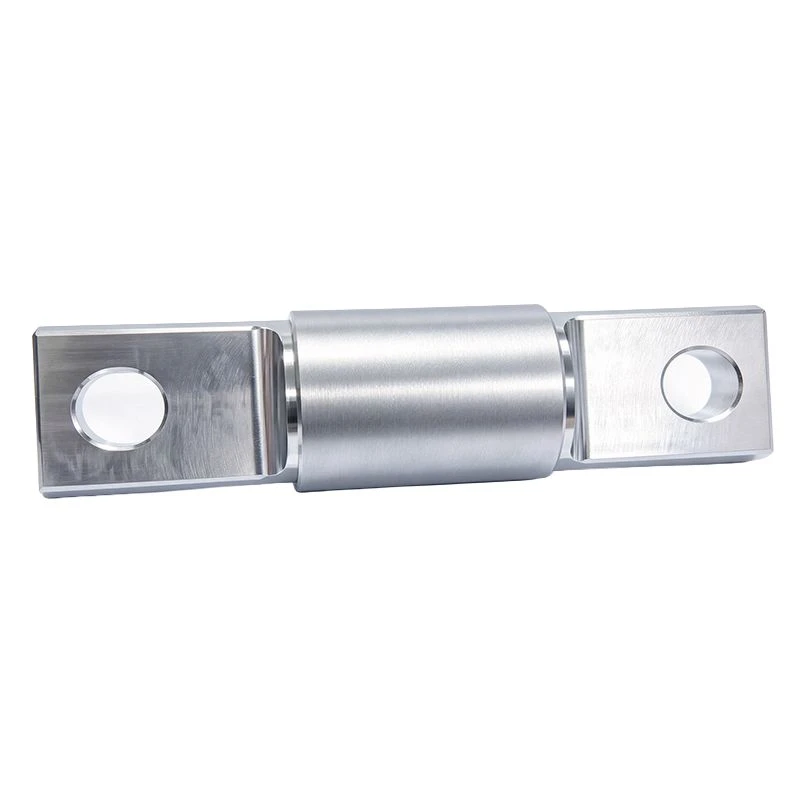
Another angle: ride quality. Even if you’re not hauling heavy stuff, too-short bump stops make your car feel harsh. Every pothole, every speed bump, every small dip feels like a jolt because the suspension doesn’t have that last soft stop. Your passengers will complain about bone-rattling rides, and over time, that harshness can cause interior parts to rattle or break. We’ve had customers say they went from a “bumpy mess” to a “cloud-like ride” just by upgrading their bump stops to the right size. It’s a small part, but it makes a huge difference.
Wait, let’s get back to the science for a sec. Bump stops are made of energy-absorbing materials, right? Urethane or rubber, both designed to compress at a predictable rate. When the suspension bottoms out, the bump stop compresses gradually, spreading the impact force over a larger area. A too-short bump stop can’t do that—instead, the force is concentrated on the metal parts, leading to stress fractures. Studies from the Society of Automotive Engineers (SAE) show that improper bump stop length is responsible for 12% of suspension component failures in light trucks and passenger cars. That’s not a small number—1 in 8 suspension issues trace back to a simple, easy-to-fix problem with your bump stops.
So, what can you do if you think your bump stops are too short? First, do a quick visual check. With the car on a level surface, have someone push down on the bumper (or use a jack to compress the suspension) and see how much space there is between the suspension and the frame when it’s fully compressed. If that space is less than the length of your bump stop, you’ve got a problem. Next, check your other components: look at your Front Shock Absorber Mount, Bottom Strut Mount, and Rear Shock Absorber Mount for cracks or dents—those are signs you’ve already been dealing with too-short bump stops.
Here at Bump Stop On Car, we’re not just a part supplier—we’re here to help you get the right fit. Whether you need a standard replacement, a heavy-duty set for your work truck, or custom parts for a modified car, we’ve got you covered. We’ve spent years refining our bump stops to work seamlessly with all suspension components, so you don’t have to worry about the issues we talked about today. No generic parts, no guesswork—just parts that do exactly what they’re supposed to.
If you’re tired of bottoming out, blowing shocks, or dealing with that harsh ride, don’t wait. A little check on your bump stops now can save you thousands in repairs later, and keep you safe on the road. We’re here to walk you through choosing the right bump stop for your car, answer any questions, and make sure you get the exact part you need. Head over to our Bump Stop On Car page to learn more, or reach out to our team to chat about your specific setup. We’re not the kind of company that talks jargon at you—we’re gearheads too, and we get how important your car is.
References:
- Society of Automotive Engineers (SAE). (2021). Suspension Component Failure Analysis: Bump Stop Impact Effects. SAE International Journal of Passenger Cars - Mechanical Systems, 14(3), 1245-1258.
- Automotive Chassis Systems Engineering Handbook. (2022). Bump Stop Design and Application. Chassis Media Group, 112-127.
- Consumer Reports. (2023). Common Suspension Pitfalls to Avoid. Consumer Reports Auto Maintenance Guide, 45-49.


