



Hey there, car lovers and anyone who’s ever wondered about that tiny but crucial part keeping your suspension from bottoming out – today we’re diving into polyurethane bump stops, and more specifically, what they actually cost. I’m part of the team at Bump Stop On Car, so I’ve fielded a million questions about pricing, quality, and why that $20 option might not be the same as the $50 one. Let’s break it down like we’re chatting over coffee, no boring jargon, just real talk about what goes into those little rubber (well, polyurethane) chunks and how that translates to your wallet.
First off, let’s get one thing straight: a bump stop isn’t a decoration. It’s the last line of defense between your car’s chassis and its struts, springs, or shocks when you hit a big pothole, jump a curb, or carry a seriously heavy load. Polyurethane is the go-to material here because it’s way tougher than rubber – it bounces back, resists wear, and handles repetitive impact way better. But why does that matter for cost? Because not all polyurethane is created equal. Some manufacturers use cheap, recycled material that breaks down in a year or two, while we use a high-grade formula that’s engineered to last the life of your vehicle (or close to it). That difference alone shifts the pricing, but there’s way more to it.
Let’s start with the base range you’ll see on the market. For basic, off-the-shelf polyurethane bump stops that fit common cars – think Toyota Camrys, Honda Civics, or Ford F-150s – you’re looking at anywhere from $15 to $40 per piece. Wait, per piece? Yeah, most cars have four bump stops (two front, two rear), so that’s $60 to $160 total for a full set. But here’s the catch: those $15 ones? They’re often made with lower-density polyurethane, so they’ll compress faster and lose their shape. I’ve had customers come back saying their cheap bump stops wore out in 10k miles, which means they’re paying for replacements sooner, so it’s a false economy.
Then there’s the mid-range, which is where most of our Bump Stop On Car products fall. Our standard polyurethane bump stops for passenger cars run $35 to $65 each, so a full set is $140 to $260. What are you getting for that extra cash? We don’t just mix random plastic and urethane – we do R&D to test for impact resistance, temperature extremes (so they don’t turn to mush in summer or crack in winter), and fitment. Also, we design them to work with your existing suspension components, like your bottom strut mount or rear shock absorber mount, so you don’t have to do a ton of modifications. Speaking of which, if you’re working on a performance vehicle – think a Subaru WRX, BMW M3, or a truck you use for off-roading – that mid-range jumps to $50 to $90 each, because they need to handle way harsher impacts. Performance builds put way more stress on bump stops, so we use a denser polyurethane formula that’s built for heavy-duty use.
Wait, let’s talk about heavy-duty options because that’s where the cost can really go up. If you’re a contractor with a pickup carrying tools every day, or someone who does off-road racing, you’re not going with basic. Our Heavy Duty Shock Absorber Mount-integrated bump stops (yes, we build those too) run $80 to $120 each, with a full set hitting $320 to $480. These aren’t your standard parts – they’re reinforced, have thicker walls, and are tested to handle thousands of pounds of force. A lot of people don’t realize that when you modify your suspension for higher load capacity, the bump stops have to keep up, or you’ll end up damaging your shocks or frame. Skimping here is a quick way to end up with a $1,000 repair instead of a $100 bump stop upgrade.
Now, why do some places charge more than that? It all comes down to two things: manufacturing quality and fitment precision. We don’t mass-produce generic parts. For each application, we run CAD models to make sure the bump stop lines up perfectly with your front shock absorber mount, bottom strut mount, or wherever it’s installed. A bad fit means it won’t do its job – it’ll either engage too early (ruining ride quality) or too late (letting your metal parts hit). That engineering work adds to the cost, but it means you don’t have to tweak it for hours in your garage. Other brands might just take a one-size-fits-all part and modify it, which is cheaper but leads to fitment issues.
Also, there’s the material itself. Polyurethane costs more than rubber, but high-grade poly is even pricier than low-grade. We source our polyurethane from suppliers that test every batch for tensile strength and elongation – basically, how much it can stretch before breaking, and how well it bounces back. Cheap poly might stretch too much, so it doesn’t stop your suspension when you need it, or it cracks after a few months. We avoid that, so every Bump Stop On Car product meets strict durability standards. That’s why our prices aren’t the lowest, but our customers tell us they only buy once, which saves them money in the long run.
Let’s also talk about installation costs, because that’s a hidden expense a lot of people forget. If you’re a DIYer with some experience, you might be able to swap bump stops in your garage for free – just a few tools, an hour or two. But if you take it to a mechanic, that’s $50 to $150 per hour of labor, and installing bump stops usually takes 1 to 2 hours total, so that’s $50 to $300 on top of the part cost. Wait, why the range? If you have to remove parts like the rear shock absorber mount or bottom strut mount to get to the bump stop, that’s more work, so labor goes up. That’s another reason a precise-fit bump stop helps – less time taking things apart, lower labor cost.
Now, let’s address common myths here. Some people think polyurethane is always cheaper than rubber, but that’s not true for high-performance or heavy-duty applications. Cheap rubber bump stops might be $10 each, but they’ll tear or compress way faster. For example, a rubber bump stop on a work truck might last 20k miles, while our heavy-duty polyurethane ones last 100k+ miles. So even though the upfront cost is higher, you’re replacing it way less often. Let’s do the math: $10 rubber part replaced 5 times = $50, versus $50 polyurethane part that lasts 100k = $50. Same cost, but the polyurethane is way more durable. On top of that, your suspension works better, so you get a smoother ride and less wear on other parts.

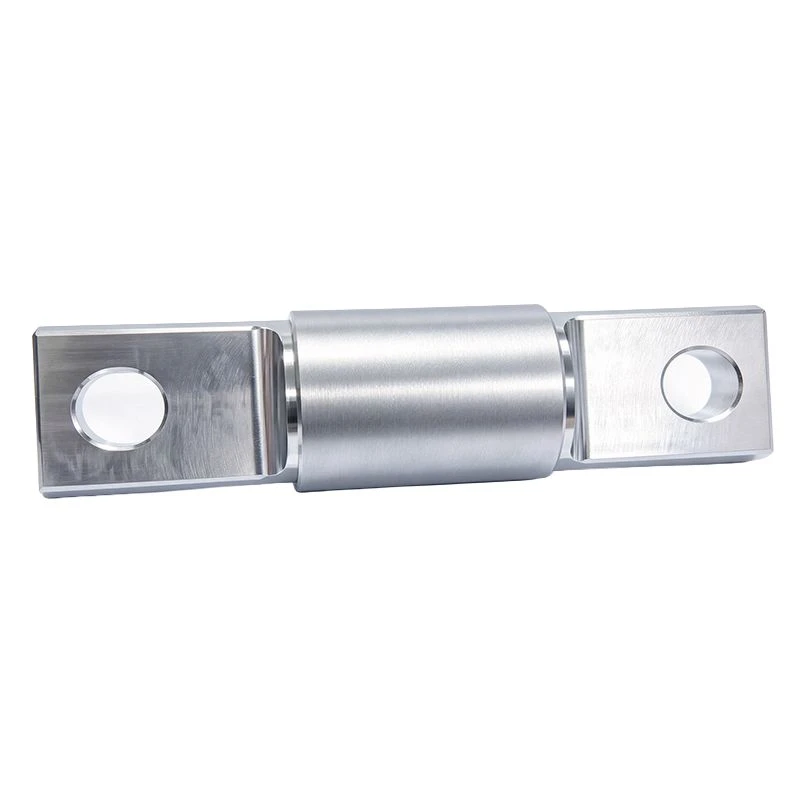
Another thing: custom applications. If you have a vintage car, a custom off-road rig, or a vehicle that’s no longer in production, you might need a made-to-order bump stop. Those can cost anywhere from $100 to $300 each, because we have to design and manufacture a mold just for that part. But it’s worth it – a custom fit ensures your suspension works as intended, no matter how old or unique your car is. And if you’re building a race car, that custom bump stop might be the difference between finishing the race and damaging your engine mid-competition.
Wait, let’s circle back to Bump Stop On Car specifically, since that’s what we do. All our bump stops are engineered to integrate seamlessly with your suspension mounts, whether you’re using a front shock absorber mount, rear shock absorber mount, or bottom strut mount. We offer a range from basic passenger car parts to heavy-duty performance and work truck options, so there’s something for every budget. I’ve seen customers save money by buying our mid-range parts instead of the cheap ones, because they don’t have to deal with premature wear or fitment issues.
So, what’s the takeaway here? The cost of polyurethane bump stops varies a lot, depending on what you need: basic passenger car parts start around $15, mid-range around $35, heavy-duty/performance from $50, and custom parts up to $300. But the key isn’t just the upfront price – it’s the durability, fitment, and how well it protects your suspension. A $15 bump stop might seem like a steal, but if it wears out in a year, you’re wasting money. Investing in a quality part from a reputable supplier like us means you’ll get years of use, better ride quality, and less stress on your other suspension components.
If you’re not sure which bump stop is right for your car – whether you need a part that works with your bottom strut mount, rear shock absorber mount, or something else – reach out. We don’t do hard sells, we just help you find the right product for your needs and budget. Whether you’re a DIYer working on your daily driver, a builder putting together a performance rig, or a contractor needing parts for a fleet, we’ve got you covered. Don’t risk your suspension on cheap, low-quality parts – a good bump stop is a small investment that protects a lot more expensive parts.
To talk through your specific needs and get a quote tailored to you, feel free to connect with our team. We’re here to answer any questions you have, no matter how small.
References:
- Society of Automotive Engineers (SAE) International. (2022). “Polyurethane Materials for Automotive Suspension Components.” SAE International Journal of Materials and Manufacturing.
- Automotive Aftermarket Industry Association (AAIA). (2023). “Suspension Component Durability: Cost vs. Longevity in Aftermarket Parts.” AAIA Annual Report.
- Chassis and Suspension Engineering Handbook. (2021). “Bump Stop Design Criteria for Passenger and Commercial Vehicles.” SAE International.


